
Comprehensive Business Cybersecurity and Endpoint Protection Solutions for Winnipeg Enterprises
Winnipeg enterprises confront a broad range of cybersecurity threats that can expose confidential information and disrupt operations. This article presents strategies, technologies, and best practices for enterprise-grade cybersecurity and endpoint protection tailored to local business needs. It explains how to defend networks against malware and ransomware, highlights key features of corporate antivirus solutions, and outlines the advantages of integrated security controls. Adopting a proactive security posture — with regular assessments and updates — increases resilience to evolving threats. The following sections provide strategic guidance, current technologies, and practical recommendations for small and medium-sized businesses.
Key Takeaways
- Customized cybersecurity solutions tailored to Winnipeg businesses enhance protection against evolving cyber threats.
- Endpoint protection secures devices by monitoring and managing threats like malware and ransomware in real time.
- Integrating corporate antivirus with endpoint security provides multi-layered defense and improved threat response.
- Managed detection and response services offer continuous monitoring and faster incident identification for better security.
- Regular security audits, employee training, and incident response planning are critical best practices for cybersecurity.
- Compliance with Canadian data protection laws like PIPEDA is essential for safeguarding sensitive business information.
- AI-driven endpoint detection improves threat analysis and proactive cybersecurity measures for Winnipeg enterprises.
- Small and medium businesses can strengthen cybersecurity by implementing backups, email filtering, and software updates.
- Local expertise from CDC Computers supports personalized cybersecurity strategies and compliance for Winnipeg businesses.
Key Strategies
Effective cybersecurity requires a multifaceted strategy. Organizations should implement tailored solutions that reflect their operational profile and risk exposure. A proactive posture, supported by scheduled assessments and timely protocol updates, reduces the likelihood of compromise. Defence-in-depth through layered controls — such as firewalls, intrusion detection systems and endpoint protections — strengthens overall resilience.
- Customized Cybersecurity Solutions: Tailoring security measures to fit specific business needs ensures comprehensive protection.
- Proactive Cybersecurity Approach: Regularly updating security protocols and conducting vulnerability assessments help identify and mitigate risks before they can be exploited.
- Layered Security Measures: Utilizing multiple security layers, including firewalls and antivirus software, enhances overall protection against cyber threats.
Adherence to these strategies reduces the likelihood of cyber incidents and strengthens an organization’s overall security posture.
Technologies
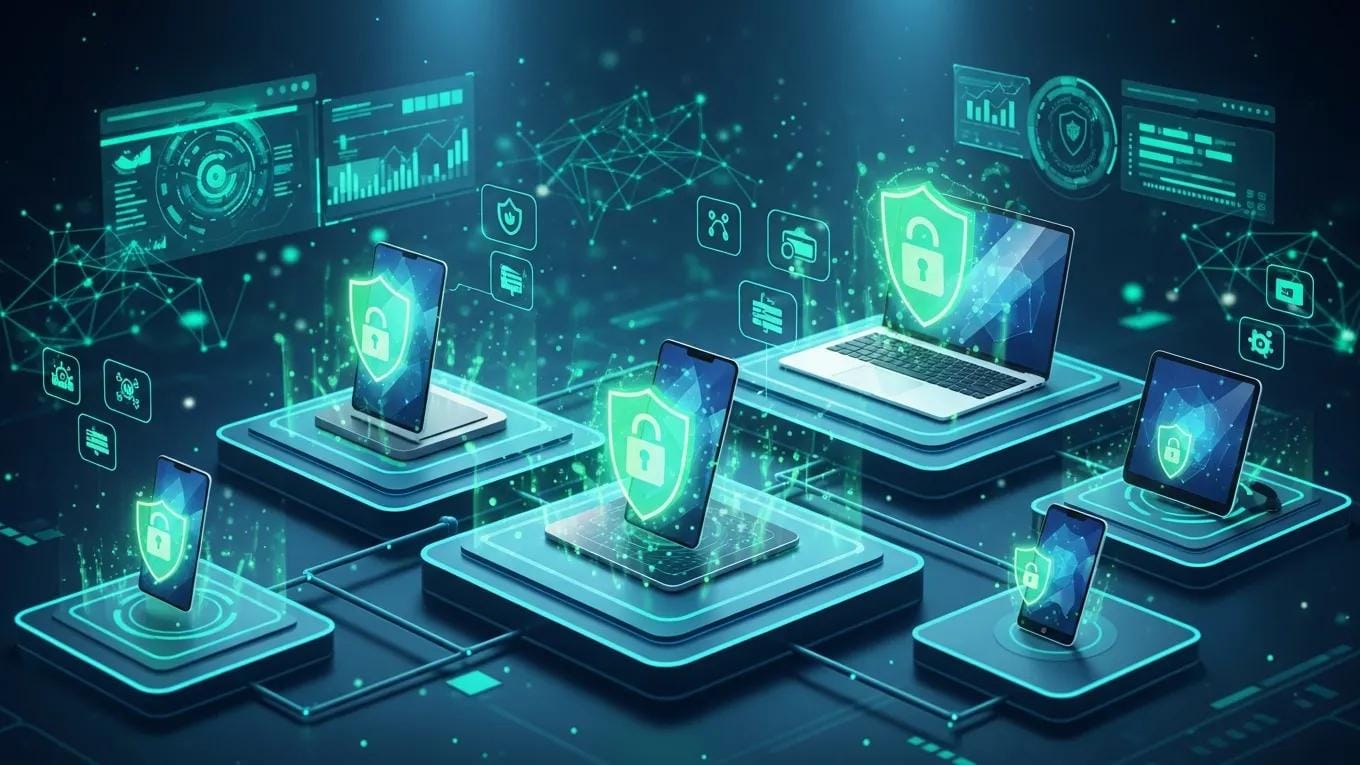
Cybersecurity technologies evolve continually to address increasingly sophisticated threats. Core solutions include endpoint protection platforms, managed detection and response (MDR) services, and email security controls designed to mitigate phishing and related attacks.
CDC Computers provides integrated endpoint protection solutions that combine these technologies to equip Winnipeg businesses to manage cyber risk effectively.
What Are Endpoint Security Solutions and Their Role in Business Cybersecurity?
Endpoint security solutions protect devices connected to the corporate network by monitoring and managing endpoint integrity for desktops, laptops, mobile devices and servers. Implementing endpoint controls limits unauthorized access and reduces the risk of data exfiltration. These solutions support network integrity and assist with regulatory and policy compliance.
How Do Endpoint Security Services Protect Business Networks from Malware and Ransomware?
Endpoint security services deploy real-time threat detection, automated containment of suspicious activity, and timely updates to security policies and signatures. Continuous monitoring of endpoints enables rapid identification and neutralisation of threats before they cause operational impact. This proactive approach preserves business continuity and safeguards sensitive information.
Best Practices
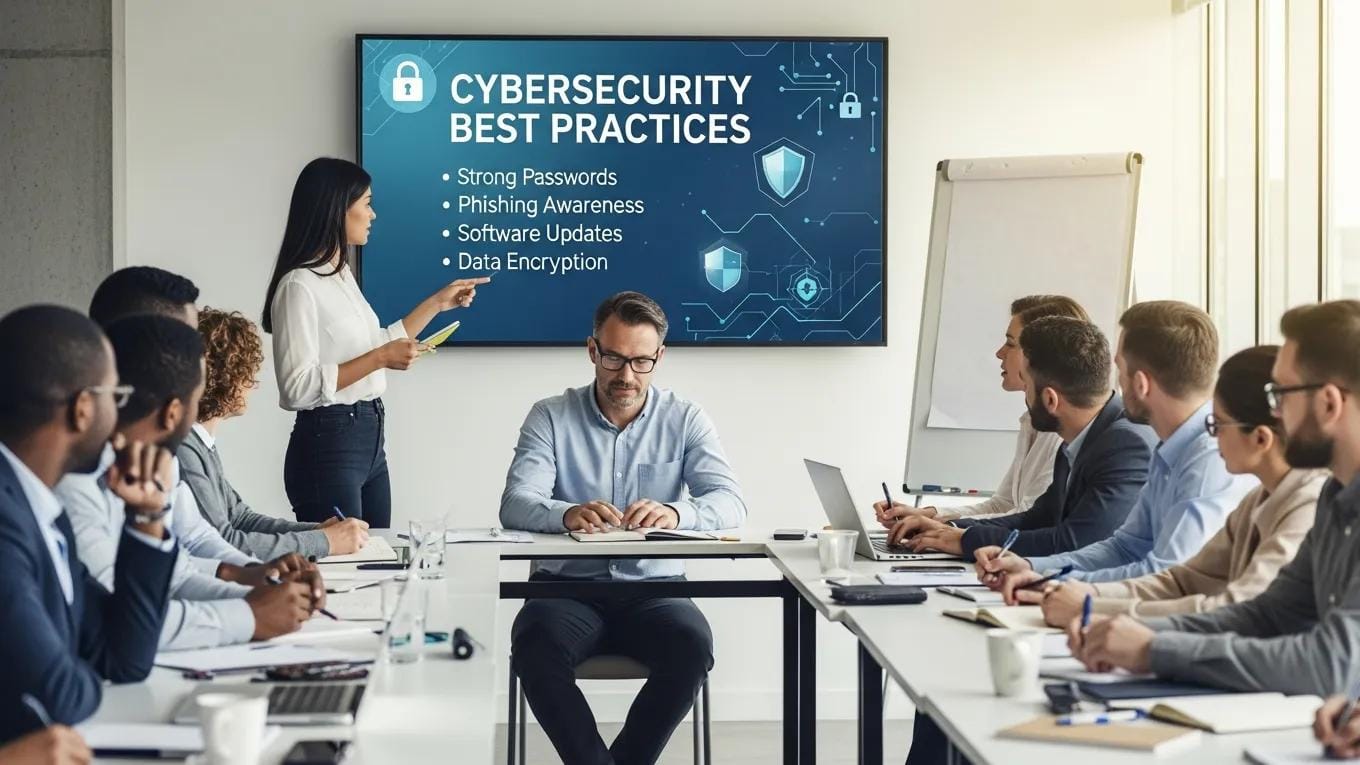
Maintaining a robust cybersecurity posture relies on systematic practices. Regular security audits, focused employee awareness training programs, and documented incident response planning form the foundation of an effective security programme.
- Regular Security Audits: Conducting periodic audits helps identify vulnerabilities and ensure compliance with security standards.
- Employee Awareness Training: Educating employees about cybersecurity risks and safe practices reduces the likelihood of human error leading to security breaches.
- Incident Response Planning: Developing a clear incident response plan ensures that businesses can quickly and effectively respond to cyber incidents.
Adopting these practices materially improves an organization’s capacity to prevent incidents and to respond effectively when they occur.
Frequently Asked Questions
What are the common types of cyber threats faced by businesses in Winnipeg?
Winnipeg businesses confront threats such as malware, ransomware, phishing and insider misuse. Malware can compromise systems and facilitate data theft. Ransomware encrypts files and denies access until a ransom is paid. Phishing manipulates personnel into disclosing credentials or sensitive information. Insider threats may originate from malicious actors or from inadvertent employee error. Recognising these threat types enables targeted defence planning.
How often should businesses conduct cybersecurity training for employees?
Organisations should provide cybersecurity training at least annually, with increased frequency when new threats arise or when technologies or policies change. Regular training reinforces secure behaviours and reduces human error. Including simulated phishing exercises delivers practical assessment and improves overall training effectiveness.
What steps should businesses take after a cybersecurity incident?
Following an incident, execute a structured incident response plan: contain the breach to limit further damage; assess the scope and impacted assets; notify affected parties and regulators as required; and perform a forensic investigation to determine root cause. Apply lessons learned to update policies, controls and training to prevent recurrence.
How can businesses ensure compliance with Canadian data protection laws?
To meet Canadian data protection obligations, such as those under PIPEDA, implement rigorous data management controls. Obtain required consents, enforce encryption and role-based access controls, and maintain documented procedures for data handling. Conduct privacy impact assessments and train staff on compliance responsibilities. For complex matters, consult legal specialists in data protection.
What role does threat intelligence play in enhancing cybersecurity?
Threat intelligence supplies actionable insights into emerging vulnerabilities and attacker tactics. By analysing multiple data sources, organisations can identify trends, prioritise mitigations and refine detection rules. Integrating threat intelligence into operations improves response times and supports informed allocation of security resources.
What are the benefits of using a managed cybersecurity service provider?
Engaging a managed cybersecurity provider delivers access to specialised expertise, continuous monitoring and advanced defensive technologies. Managed services assist with vulnerability identification, rapid incident response and regulatory compliance. Outsourcing these functions enables organisations to focus on core operations while leveraging cost-efficient security capabilities that are often impractical to maintain in-house.
Conclusion
Investing in comprehensive cybersecurity is essential for Winnipeg organisations to protect sensitive data and maintain operational continuity. Partnering with specialists such as CDC Computers enables tailored security strategies aligned to business requirements, ensuring preparedness for an evolving threat landscape.
What Are the Key Features of Corporate Antivirus Software for Businesses?
Corporate antivirus software protects business networks from malware and similar threats. Key features include real-time scanning, automated updates for signatures and engines, and centralized management consoles. These capabilities enable consistent policy enforcement and simplified oversight of security posture.
How Do Corporate Antivirus Software and Endpoint Protection Differ and Complement Each Other?
Corporate antivirus focuses on detection and removal of malware. Endpoint protection extends that functionality with additional controls such as data encryption, device management and integrated threat intelligence. Together, these solutions create a layered security framework that addresses diverse endpoint risks.
For a detailed analysis of how these complementary technologies strengthen a robust security posture, consider the following research.
EDR, EPP, & Antivirus: Comprehensive Endpoint Security
This thesis combines theoretical analysis and practical implementation to provide a comprehensive understanding of endpoint security within enterprise networks. A comprehensive analysis of EDR (Endpoint Detection & Response), EPP (Endpoint Protection Platform), and antivirus security technologies, 2024
What Are the Benefits of Integrating Corporate Antivirus with Endpoint Security?
Integration of corporate antivirus and endpoint security strengthens defence by delivering multi-layered protection. This approach improves visibility into incidents, streamlines management of security controls and shortens response times. Organisations that adopt integrated solutions reduce their exposure to data breaches and related incidents.
This integrated model reflects a sector-wide shift from traditional antivirus toward more advanced EDR technologies.
Network Security Evolution: Antivirus to EDR
Section III documents the evolution of endpoint security and EDR technologies and introduces a Collaborative Hybrid EDR Integration Strategy (CHEIS) that combines lightweight components. Digital Transformation in Network Security: Transitioning from Antivirus to Endpoint Detection and Response, 2025
How Does CDC Computers Tailor Antivirus Solutions for Winnipeg Businesses?
CDC Computers specializes in delivering tailored antivirus solutions for Winnipeg organizations. By assessing each organization’s technical and operational requirements, CDC Computers recommends and implements antivirus configurations that provide comprehensive protection. Their local market expertise enables personalised support and clear guidance to simplify cybersecurity management.
What Managed Cybersecurity Services Enhance Business Network Protection in Winnipeg?
Managed cybersecurity services provide continuous monitoring and specialist support to strengthen network protection. Typical offerings include threat detection, incident response and compliance management. Outsourcing these functions allows organisations to maintain operational focus while ensuring ongoing security oversight.
How Do Managed Detection and Response Services Improve Endpoint Security?
Managed Detection and Response (MDR) enhances endpoint security through continuous monitoring and contextual threat intelligence. MDR utilises analytics and machine learning to detect anomalies and suspicious behaviours that conventional controls may miss, enabling rapid containment and reducing breach impact.
Additional analysis underscores the pivotal role of Endpoint Detection and Response (EDR) technologies in contemporary security architectures.
EDR Evolution: Modern Cybersecurity & Threat Detection
Endpoint Detection and Response (EDR) solutions are central to modern cybersecurity strategies. They enable organisations to detect, investigate and respond to threats effectively. This review traces EDR development and emphasises its significance for endpoint security and threat identification. Evolution of endpoint detection and response (edr) in cyber security:
A comprehensive review, H Kaur, 2024
What Compliance Standards Must Winnipeg Businesses Meet for IT Security?
Winnipeg businesses must meet applicable IT security standards, which may include the Personal Information Protection and Electronic Documents Act (PIPEDA) and the Payment Card Industry Data Security Standard (PCI DSS). Compliance is essential to protect sensitive information and preserve customer trust.
How Can Small and Medium Businesses in Winnipeg Strengthen Their Cybersecurity Posture?
Small and medium businesses can strengthen their cybersecurity posture by implementing robust technical controls and fostering a culture of security awareness. Recommended actions include deploying endpoint protection, conducting regular security audits and providing employee training on cybersecurity best practices. These initiatives reduce exposure to common attack vectors.
What Are Practical Cybersecurity Tips for SMBs to Prevent Ransomware Attacks?
To mitigate ransomware risk, SMBs should adopt the following practical measures:
- Regular Backups: Ensure that data is regularly backed up to secure locations to minimize the impact of a ransomware attack.
- Email Filtering: Implement email filtering solutions to block malicious attachments and links.
- Software Updates: Keep all software and systems updated to protect against known vulnerabilities.
Adherence to these practices reduces the potential impact of ransomware and improves overall resilience against cyber threats.
How Does Local Expertise from CDC Computers Support SMB Cybersecurity Needs?
CDC Computers delivers local cybersecurity expertise tailored to SMB requirements in Winnipeg. Their professionals understand region-specific challenges and provide personalised guidance and implementation support. Partnering with CDC Computers gives SMBs access to the resources and advice needed to protect their networks effectively.
What Are the Latest Trends and Threats in Business Cybersecurity Affecting Winnipeg Enterprises?
The threat landscape continues to evolve. Notable trends include greater use of artificial intelligence for threat detection and the expansion of ransomware-as-a-service. Organisations must monitor these developments and adapt defensive strategies accordingly.
How Are Ransomware Attacks Evolving and Targeting Canadian SMBs in 2025-2026?
Ransomware attacks are becoming more sophisticated and increasingly target Canadian SMBs. Attackers frequently use social engineering and phishing to gain initial access to systems and sensitive data. Organisations must implement comprehensive security measures to mitigate these evolving tactics.
What Role Does AI-Driven Endpoint Detection Play in Modern Cybersecurity?
AI-driven endpoint detection improves cybersecurity by applying machine learning to large datasets to identify anomalies and potential threats in real time. This capability supports proactive detection and accelerates incident response, enhancing an organisation’s overall security posture.
How Does CDC Computers Ensure IT Security Compliance and Personalized Support for Winnipeg Businesses?
CDC Computers assists Winnipeg organisations in achieving IT security compliance through tailored strategies and expert guidance. Their team collaborates with clients to identify regulatory obligations and implement appropriate controls. Personalized support ensures businesses can navigate compliance requirements with confidence.
What Are the Canadian Data Protection Laws Relevant to Business Cybersecurity?
Canadian data protection laws, notably PIPEDA, define obligations for the collection, use and safeguarding of personal information. Compliance requires implementation of appropriate technical and organisational measures, documented procedures and ongoing oversight to maintain customer trust and regulatory adherence.
How Does Personalized IT Support Enhance Endpoint Protection Effectiveness?
Personalized IT support enhances endpoint protection by delivering solutions aligned to specific business requirements. Close collaboration enables identification of vulnerabilities and the implementation of targeted mitigations, ensuring protection is efficient and appropriate for operational needs.