

Comprehensive Managed IT & Remote Support in Winnipeg – CDC Computers
In today’s fast-paced digital landscape, businesses in Winnipeg are increasingly reliant on technology to drive their operations. Managed IT support services offer a comprehensive solution to ensure that these technological needs are met efficiently and effectively. This guide will explore the various aspects of managed IT support services, including their benefits, core components, and how they can enhance business operations. Many organizations face challenges such as system downtime, cybersecurity threats, and the need for continuous IT support. Managed IT services provide a proactive approach to these issues, ensuring that businesses can focus on their core activities without the burden of IT management. We will delve into the definition of managed IT support, its advantages for local businesses, and the critical considerations when selecting an IT support provider.
This approach aligns with the broader concept of IT service management, which involves defining and managing IT services throughout their lifecycle.
IT Service Management Frameworks & Lifecycle
IT service management is considered a collection of frameworks that support organizations managing services. The main objective is to define and manage IT services through its life cycle.
An it service management literature review: Challenges, benefits, opportunities and implementation practices, J Faustino, 2021
What Are Managed IT Support Services and How Do They Benefit Winnipeg Businesses?
Managed IT support services refer to the comprehensive management of an organization’s IT infrastructure and end-user systems. These services are designed to enhance operational efficiency by providing continuous monitoring, maintenance, and support. The primary benefit of managed IT support is the ability to reduce downtime and improve system reliability, which is crucial for businesses that rely heavily on technology. By outsourcing IT management, companies can focus on their core competencies while ensuring that their IT systems are secure and up-to-date.
Additionally, managed IT services often include proactive measures such as regular system updates, cybersecurity protocols, and data backup solutions, which collectively contribute to a more resilient IT environment. This approach not only mitigates risks but also enhances overall productivity, allowing businesses to thrive in a competitive market.
Defining Managed IT Support and Its Core Components
Managed IT support encompasses several core components that work together to provide a seamless IT experience for businesses. These components include:
- Continuous Network Monitoring: This involves real-time surveillance of network performance to identify and resolve issues before they escalate.
- Cybersecurity Protection: Managed IT services implement robust security measures, including firewalls and antivirus systems, to protect against cyber threats.
- Data Backup and Disaster Recovery: Regular data backups and disaster recovery plans ensure that critical business information is safeguarded against loss.
These components are essential for maintaining a secure and efficient IT infrastructure, enabling businesses to operate smoothly and respond swiftly to any challenges that may arise.
Key Advantages for Small and Medium-Sized Enterprises in Manitoba
Small and medium-sized enterprises (SMEs) in Manitoba can significantly benefit from managed IT support services. The key advantages include:
- Enhanced Cybersecurity: With increasing cyber threats, managed IT services provide advanced security measures to protect sensitive data.
- Reduced System Downtime: Proactive monitoring and maintenance minimize the risk of unexpected outages, ensuring that businesses remain operational.
- Predictable IT Management Costs: Managed IT services typically operate on a subscription model, allowing businesses to budget effectively for their IT expenses.
These advantages make managed IT support an attractive option for SMEs looking to optimize their IT operations while controlling costs.
How Does Remote IT Support Compare to Onsite Services in Winnipeg?
Remote IT support and onsite services each have their unique advantages and limitations. Remote IT support allows technicians to diagnose and resolve issues without being physically present, which can lead to faster response times and reduced costs. This method is particularly effective for routine maintenance and minor troubleshooting.
Further emphasizing the strategic advantages, research highlights how remote IT support can centralize operations and reduce costs for small businesses.
Remote IT Support for Small Businesses: Efficiency & Centralization
Small business is in need of a more efficient solution for managing their Information Technology support needs. Due to small business’s need for custom solutions, IT service providers must dedicate highly skilled personnel to client business sites, incurring high overhead costs and restricting their ability to apply their employee base to multiple clients. This restriction in cost and flexibility places a high cost burden on small business clients, straining an already limited budget. The use of remote IT support technology may provide the basis for a solution to these problems. By applying remote technology, an IT provider could centralize their employee workforce, managing clients from a single location rather than dedicating manpower to client sites. If the technology was available to support such a model, this change in the methodology could result in a more manageable solution.
Remote support technology for small business, 2004
On the other hand, onsite services are essential for addressing complex hardware issues or situations that require physical intervention. Businesses must evaluate their specific needs to determine the most suitable approach for their IT support.
Benefits and Limitations of Remote IT Support
Remote IT support offers several benefits, including:
- Faster Resolutions: Technicians can quickly access systems and resolve issues without travel delays.
- Cost-Effectiveness: Remote support typically incurs lower costs compared to onsite visits.
- Convenience: Businesses can receive support without disrupting their operations.
However, there are limitations to consider:
- Complex Issues: Some problems may require onsite intervention for effective resolution.
- Connectivity Dependence: Remote support relies on stable internet connections, which can be a challenge in some areas.
Understanding these benefits and limitations helps businesses make informed decisions about their IT support strategies.
When Is Onsite IT Support Essential for Local Businesses?
Onsite IT support becomes essential in several scenarios, including:
- Complex Hardware Issues: Problems that require physical repairs or replacements often necessitate onsite support.
- Immediate Response to Critical Failures: In the event of a major system failure, having a technician onsite can expedite recovery efforts.
- Training and Support for Staff: Onsite support can provide hands-on training for employees, enhancing their understanding of new systems or software.
These situations highlight the importance of having a balanced approach to IT support that includes both remote and onsite services.
What Network Security Solutions Are Included in Managed IT Services in Winnipeg?
Managed IT services in Winnipeg typically include a range of network security solutions designed to protect businesses from cyber threats. Key solutions include:
- 24/7 Monitoring: Continuous surveillance of network activity to detect and respond to threats in real-time.
- Advanced Firewall Systems: Implementation of firewalls to block unauthorized access and protect sensitive data.
- Regular Vulnerability Assessments: Routine evaluations of network security to identify and address potential weaknesses.
These solutions are critical for maintaining a secure IT environment and safeguarding business operations.
Which Cloud IT Solutions and Migration Services Are Available for Winnipeg Businesses?
Cloud IT solutions and migration services are increasingly popular among Winnipeg businesses seeking to enhance their IT capabilities. These services typically include:
- Managed IT Services: Comprehensive management of cloud infrastructure to ensure optimal performance and security.
- Cloud Services: Solutions such as cloud storage, computing, and applications that provide flexibility and scalability.
- Data Backup and Disaster Recovery: Cloud-based backup solutions that ensure data is securely stored and easily recoverable in case of loss.
These offerings enable businesses to leverage the benefits of cloud technology while minimizing the complexities associated with migration and management.
How Do IT Helpdesk and Maintenance Services Support Winnipeg Businesses?
IT helpdesk and maintenance services play a vital role in supporting Winnipeg businesses by providing:
- Proactive Monitoring: Continuous oversight of IT systems to identify and resolve issues before they impact operations.
- Network Setup and Management: Assistance with the initial setup and ongoing management of network infrastructure.
- Cybersecurity Solutions: Implementation of security measures to protect against cyber threats and ensure data integrity.
These services are essential for maintaining a reliable and secure IT environment, allowing businesses to focus on their core activities.
24/7 Helpdesk Support: Ensuring Continuous Business Operations

24/7 helpdesk support is crucial for businesses that require constant access to IT assistance. Key benefits include:
- Service Availability: Round-the-clock support ensures that issues can be addressed at any time, minimizing downtime.
- Response Times: Quick response to IT issues helps maintain operational efficiency.
- Benefits for Local Businesses: Continuous support allows businesses to operate smoothly, even during off-hours.
This level of support is particularly valuable for organizations that operate outside of traditional business hours or have critical systems that require constant monitoring.
Proactive Maintenance Strategies to Minimize Downtime
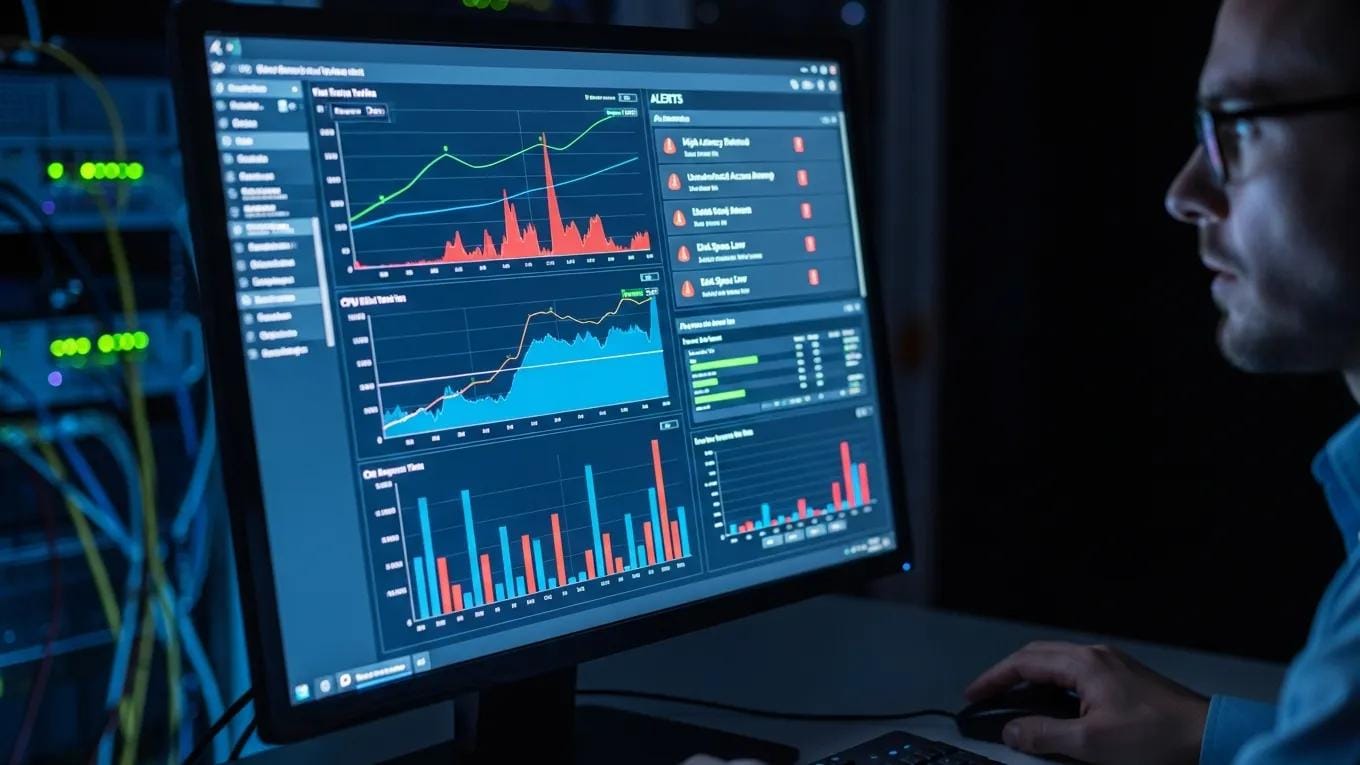
Proactive maintenance strategies are essential for minimizing downtime and ensuring the reliability of IT systems. Key strategies include:
- Continuous Network Monitoring: Regularly checking network performance to identify potential issues before they escalate.
- Regular Updates and Patching: Keeping software and systems up-to-date to protect against vulnerabilities.
- Data Backup and Disaster Recovery: Implementing robust backup solutions to ensure data is secure and recoverable.
Indeed, the core principle of proactive maintenance is to prevent issues before they arise, as defined by industry research.
Proactive Maintenance to Prevent System Breakdowns
Proactive maintenance is a strategy for maintenance whereby breakdowns are avoided through activities that monitor equipment deterioration and undertake minor repairs to restore equipment to an acceptable operating condition.
Linking maintenance strategies to performance, 2001
These strategies help businesses maintain optimal IT performance and reduce the risk of unexpected outages.
What Should Winnipeg Businesses Consider When Choosing an IT Support Provider?
When selecting an IT support provider, Winnipeg businesses should consider several key factors:
- Experience and Qualifications: Look for providers with a proven track record and relevant certifications.
- Service Level Agreements: Ensure that the provider offers clear service level agreements that outline response times and support availability.
- Proactive IT Management: Choose a provider that emphasizes proactive management to minimize downtime and enhance system reliability.
These considerations are crucial for ensuring that businesses partner with an IT support provider that meets their specific needs.
Evaluating Service Offerings, Expertise, and Local Presence
Evaluating the service offerings, expertise, and local presence of IT support providers is essential for making an informed decision. Key aspects to consider include:
- Comprehensive Service Offerings: Ensure that the provider offers a full range of IT services to meet diverse business needs.
- Required Expertise: Assess the provider’s expertise in relevant technologies and industries.
- Significance of Local Presence: A local provider can offer more personalized support and a better understanding of the unique challenges faced by businesses in Winnipeg.
By carefully evaluating these factors, businesses can select an IT support provider that aligns with their goals and requirements.
For detailed information on remote IT support, Winnipeg businesses can explore specialized services that offer efficient and cost-effective solutions.
Additionally, understanding the benefits of cloud IT solutions and migration services can help businesses leverage scalable and flexible technology platforms.
To optimize IT operations, many companies also rely on IT helpdesk and maintenance services that provide proactive monitoring and support.